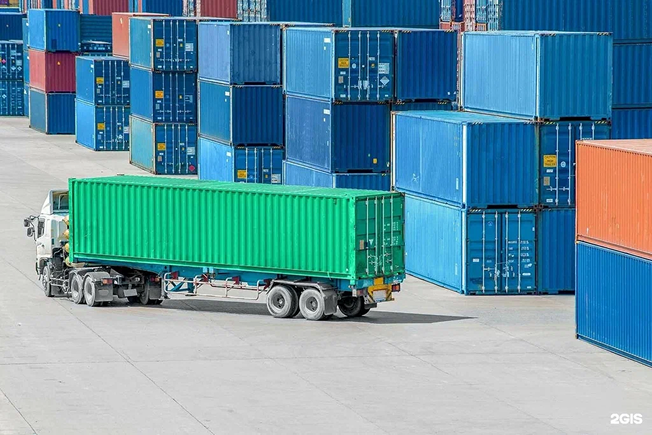
International standards for packaging and labeling of goods

For participants in foreign economic activity, packaging is not merely a means of protecting goods. It is a key element that determines successful customs clearance, cargo integrity, and brand reputation in the foreign market. In international trade, strict regulations apply, and compliance with them becomes a strategic advantage.
The framework for international packaging standards is shaped by several key organizations:
- The World Customs Organization (WCO) develops unified approaches to customs procedures that influence packaging and labeling requirements.
- The International Organization for Standardization (ISO) establishes voluntary yet globally recognized standards for packaging materials, durability, and safety.
- National regulators—each country enforces its own regulations, which can vary significantly.
Proper export packaging is a comprehensive concept that includes the correct choice of materials, accurate labeling, compliance with environmental regulations, and consideration of the climatic conditions along the route.

Key requirements for packaging and labeling
When preparing cargo for international shipment, the following aspects must be considered:
1. Labeling standards
Labeling is one of the most strictly controlled elements. The packaging must clearly indicate:
- Country of origin. This is a mandatory requirement in all countries, affecting duty calculation and compliance with trade restrictions.
- Language of labeling. Labels must be in the official language of the destination country. For example, Canada requires bilingual labeling (English and French), while China requires labeling strictly in Chinese.
- Product information. Depending on the product category, information on composition, ingredients, safety warnings, and handling instructions is required.
- Handling symbols. Marks such as "fragile," "this side up," "keep dry," as well as hazardous materials symbols, must be applied in accordance with international standards.
2. Material restrictions
An increasing number of countries are introducing environmental requirements for packaging:
- European Union. Under the Green Deal, restrictions apply to single‑use plastics and toxic additives. Preference is given to recyclable and biodegradable materials.
- United Kingdom. Taxes have been introduced on non‑recyclable plastic packaging, and extended producer responsibility obligations are in effect.
- United States. Certain states have restrictions on the use of specific types of plastics and requirements for recycling.
3. ISPM-15 standard for wood
This is one of the strictest international regulations. All wooden packaging materials (pallets, crates, dunnage) must undergo mandatory heat treatment or fumigation and bear the ISPM-15 mark. The measure is designed to prevent the spread of pests and is enforced in virtually all countries.
4. Weight, size, and stacking restrictions
Each country and each carrier establishes limits on the maximum weight per package and the permissible stacking height. Exceeding these parameters may result in refusal to accept the cargo.
5. Security requirements against unauthorized access
For many categories of goods and shipping routes, the use of seals, security tapes, or special construction features that allow detection of package tampering is required. This is important both for cargo security and for the transparency of customs control.
Key documents for confirming compliance
To successfully clear customs, the cargo must be accompanied by the following documents:
- Packing list and commercial invoice. These must accurately reflect the contents, weight, and number of packages.
- Certificate of origin. Confirms the country of production and affects the application of tariff preferences.
- ISPM-15 certificate. Required for any wooden packaging.
- Safety data sheets (MSDS/SDS). Required for goods containing chemical substances or posing a hazard.
- Label placement diagram. Some countries require advance submission of outer packaging labeling layouts.


How to ensure compliance: practical steps
Adhering to international packaging and labeling standards requires a systematic approach:
- Continuous monitoring of changes. Subscribing to trade bulletins, customs service notifications, and industry news enables processes to be adjusted promptly.
- Working with certified packaging suppliers. Professional manufacturers are well‑versed in export packaging requirements and can offer materials that comply with the regulations of the destination country.
- Pre‑shipment inspections. Checking each batch for compliance with labeling, weight, dimension, and material requirements allows potential issues to be identified before shipment.
- Labeling automation. Using digital label printing systems reduces the risk of human error and ensures uniformity in line with current standards.
Common mistakes and their consequences
Actual practice in international shipping shows that even seemingly minor violations can lead to serious consequences:
- Use of non‑approved materials. Shipping goods in single‑use plastic packaging to EU countries can result in fines and a ban on importation.
- Lack of labeling in the national language. Cargo sent to China without labels in Chinese will be detained until the labeling is brought into compliance.
- Incomplete information on labels. As in the case of the textile exporter from Bangladesh, missing detailed information on composition and product characteristics leads to lengthy inspections, additional costs, and loss of buyer confidence.
Compliance with international packaging and labeling standards is not a mere formality but a fundamental condition for successful export operations. A systematic approach to material selection, labeling control, and documentation enables the minimization of delay risks, avoidance of penalties, and strengthening of a reputation as a reliable partner in foreign markets.