Optimization of logistics costs in international transportation
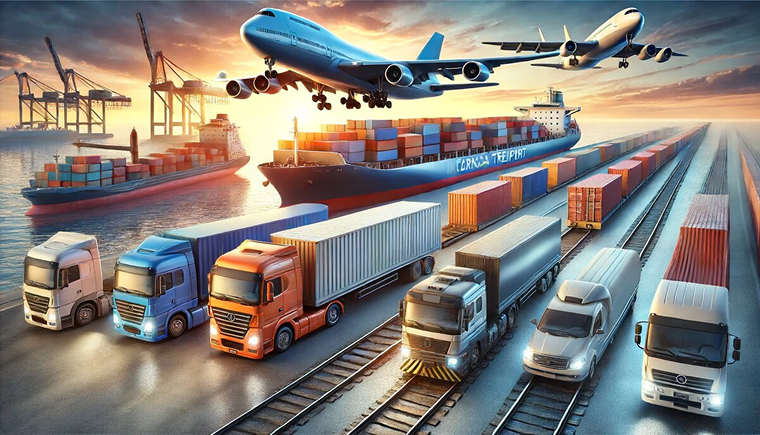
In modern foreign economic activity, logistics has transformed from a support function into a strategic factor of competitiveness. The ability to skillfully design a route and strike a balance between cost, speed, and reliability is an art that directly affects a business’s bottom line. In the current turbulence of global markets, issues of optimizing transportation costs have become particularly relevant.
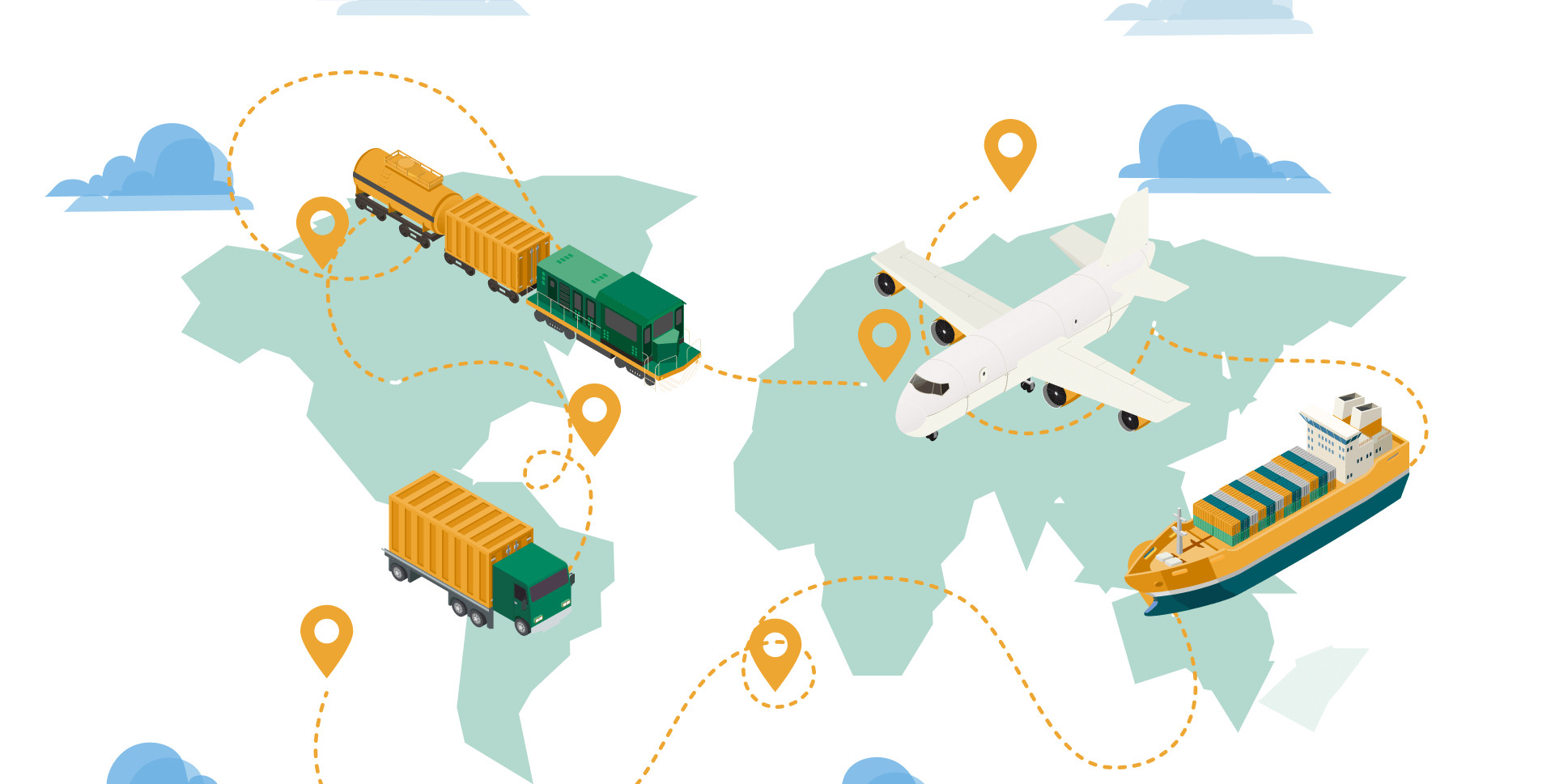
What "optimal route" means in terms of cost
An optimal route in international transportation is not always the shortest path on the map nor necessarily the cheapest carrier rate. It is a route that takes into account a combination of factors:
- delivery cost including all associated charges;
- transit time for each stage;
- reliability of transport corridors and hubs;
- risks related to geography, seasonality, and political situation;
- cargo specifics (weight, volume, temperature requirements, fragility);
- customs characteristics of transit and destination countries.
A properly selected route helps avoid hidden costs: downtime, transshipments, additional warehousing, and penalties for missed delivery deadlines.
Key factors affecting logistics costs
When planning international transportation, several groups of parameters must be assessed:
Cargo characteristics. Dimensions, weight, and product category determine the choice of transport mode and the need for specialized equipment. Oversized or dangerous goods require individual solutions, which affects cost.
Time requirements. Urgent shipments dictate the choice of air transport, which is significantly more expensive than sea or rail freight. For time‑insensitive goods, more economical but slower options can be selected.
Transport infrastructure. Port conditions, frequency of strikes at transshipment points, congestion at logistics hubs, and seasonal weather conditions are all factored into calculations. Experienced logistics professionals consider not only the current situation but also forecasts.
Customs procedures. Border delays are one of the main sources of unforeseen expenses. Routes with simplified customs administration or advance clearance help reduce storage and demurrage costs.
Technological tools for optimization
Modern logistics relies on digital solutions that make it possible to calculate dozens of routing scenarios:
- Mathematical modeling. Algorithms calculate route options by comparing time and cost parameters to select the optimal balance.
- Geographic information systems (GIS). Enable consideration of actual congestion at transport hubs, road conditions, weather risks, and restrictions along route segments.
- Specialized software. Transportation Management System (TMS) platforms integrate carrier schedules, track available slots, and forecast potential delays.
- Big data analytics. Processing historical information on vessel movements, port queues, and customs post operations helps select resilient routes with minimal risks.

Practical approaches to reducing logistics costs
1. Developing alternative routes
Even the most thoroughly calculated route can be disrupted due to accidents, strikes, or geopolitical events. Having 2–3 backup options allows for rapid rerouting of cargo flows without a critical increase in costs.
2. Optimizing packaging and cargo stowage
Properly selected packaging and efficient use of transport vehicle (container, truck) capacity help reduce the number of shipments or enable switching to a more economical rate. Increasing loading density is one of the most effective ways to lower the unit cost of transportation.
3. Using multimodal schemes
Combining different modes of transport often provides the best balance between cost and speed. For example, delivery using "sea + truck" or "rail + truck" may prove more cost‑effective than a direct air route for certain categories of goods while offering comparable transit times.
4. Cargo consolidation
Combining several shipments from different suppliers or for different consignees into a single consolidated load reduces costs through economies of scale. This approach is particularly effective for small and medium‑sized shipments.
5. Managing customs stages
Maximum transparency and advance document preparation reduce border waiting times. Using advance declaration and working with accredited customs representatives help avoid unforeseen storage charges.
How to avoid hidden costs
One common mistake when selecting a route is focusing solely on the carrier’s rate. Experienced logistics professionals consider the total cost of ownership (TCO), which includes:
- demurrage charges;
- fees at transshipment ports;
- warehousing costs during delays;
- additional cargo security services;
- insurance premiums that depend on route reliability.
In pursuit of a cheap rate, newcomers often find that the final cost ends up being higher than when using a more expensive but predictable route.
Optimization in times of instability
Modern international logistics must operate in an environment of high volatility. Channel blockages, port queues, sudden restrictions—all of this demands flexibility.
Key principles for operating in challenging conditions:
- Continuous monitoring. Tracking industry news and responding promptly to changes.
- Route diversification. Distributing cargo flows across different hubs and carriers reduces dependence on a single point of failure.
- Working with trusted partners. Reliable logistics companies have established relationships and can offer options not available on the open market.
Optimizing logistics costs in international transportation is a complex task that requires taking multiple variables into account. There are no universal solutions: each shipment, each route, and each timeframe dictate its own conditions. However, the skillful use of technological tools, attention to total delivery cost, and readiness to adjust routes promptly make it possible to significantly reduce transportation expenses and increase supply chain resilience.