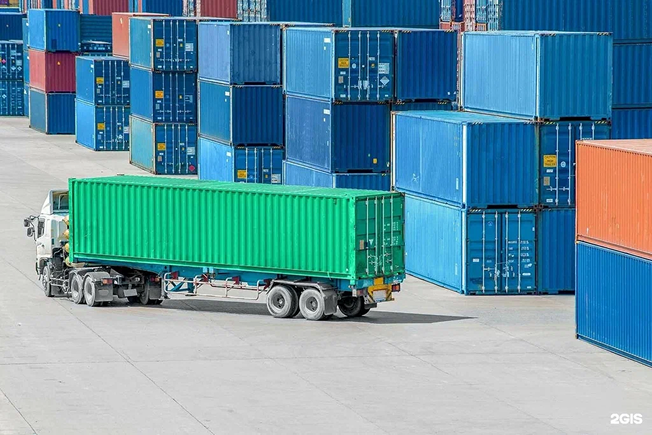
The main ways to reduce the time of customs clearance
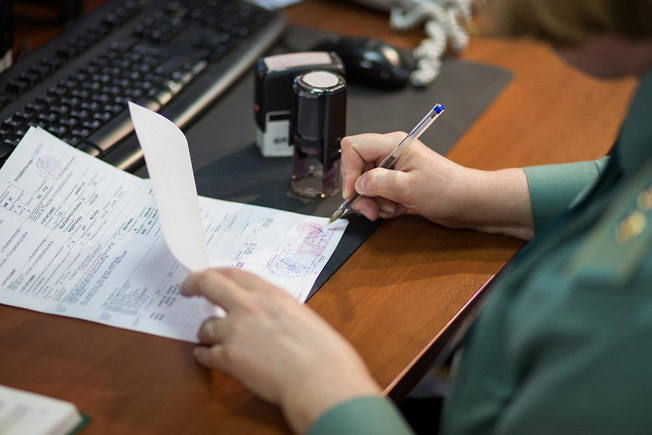
For any participant in foreign economic activity, time spent on customs clearance is a critically important resource. Delays in cargo lead to downtime, additional costs, and the risk of contract defaults. However, current legislation and modern services make it possible to significantly speed up the procedure if the process is organized effectively. Let’s consider the key methods that help minimize clearance time.

1. Thorough advance preparation of documents
The most common cause of delays is errors, inaccuracies, or an incomplete set of accompanying documents. Before the cargo arrives at the customs post, it is necessary to:
- Verify all commercial documents (invoices, packing lists, contracts) against the data to be entered in the declaration.
- Obtain in advance any required authorizations: certificates of conformity, licenses, and sanitary, veterinary, or phytosanitary approvals if the goods are subject to such controls.
- Check the correctness of the commodity classification under the HS Code. An error in the code not only risks corrective action but also leads to additional checks, which increases processing time.
Observing these rules allows the declaration registration stage to be completed without comments and prevents requests for further information.
2. Use of advance declaration and electronic services
Filing a customs declaration before the goods physically arrive at the border is one of the most effective tools for reducing time. With advance declaration:
- The main control measures are carried out before the cargo arrives at the customs post.
- After the actual arrival of the goods, the inspector only needs to perform an inspection (if required), which is completed within up to 4 hours — the minimum release period.
- Electronic submission of documents via the participant’s personal account automates the process, reduces the risk of paper loss, and enables real‑time status tracking.
This approach is particularly relevant for regular shipments and helps reduce congestion at temporary storage warehouses.
3. Engaging a professional customs broker
A qualified customs representative handles all interaction with the regulatory authorities. Their expertise makes it possible to:
- Eliminate technical errors when completing the declaration and preparing the set of documents.
- Respond promptly to customs requests, provide necessary explanations or additional information, thereby preventing unjustified delays.
- Select the optimal customs regime and procedure based on the specifics of the goods. If the broker holds the status of an authorized economic operator (AEO), they benefit from several preferences: a simplified customs procedure, a lower frequency of inspections, and priority in the conduct of control actions.
4. Selecting the appropriate customs post and taking its workload into account
Clearance speed directly depends on the chosen border crossing point. Attention should be paid to:
- Specialization of the post. Some customs offices focus on specific categories of goods (e.g., technically complex products, construction materials, or foodstuffs), allowing inspectors to process similar shipments more quickly.
- Infrastructure and logistics. Posts located near major transport hubs are typically equipped with modern terminals and have well-established coordination with carriers.
- Seasonal and peak workloads. During periods before holidays or at the end of the fiscal year, shipment volumes increase, which can affect processing efficiency. Planning shipments with this factor in mind helps avoid unforeseen delays.


5. Obtaining authorized economic operator (AEO) status
For companies engaged in foreign economic activity on a regular basis, obtaining AEO status is a strategic decision. It grants the right to:
- Minimization of customs control measures.
- Priority processing of customs operations.
- Storage of goods on their own premises without placement in a temporary storage warehouse.
This status confirms a high level of business reliability and helps reduce costs associated with cargo downtime.
6. Timely payment of customs duties
Delays in transferring duties and taxes are a direct ground for suspending the release of goods. To speed up the procedure, it is recommended to:
- Calculate the amount of payments in advance, taking into account all charges.
- Use the mechanism of advance payments, which allows funds to be debited at the time of declaration registration without waiting for bank confirmation.
- Ensure payment orders are correctly completed to avoid funds being held up as unallocated receipts.
A well‑considered combination of these methods—from document preparation to selecting a reliable broker and using digital services—enables foreign economic activity participants not only to meet regulatory deadlines but also to significantly reduce actual clearance time. Such an approach lowers logistics costs, increases supply chain predictability, and minimizes risks associated with administrative delays.